Sessions
What we bring
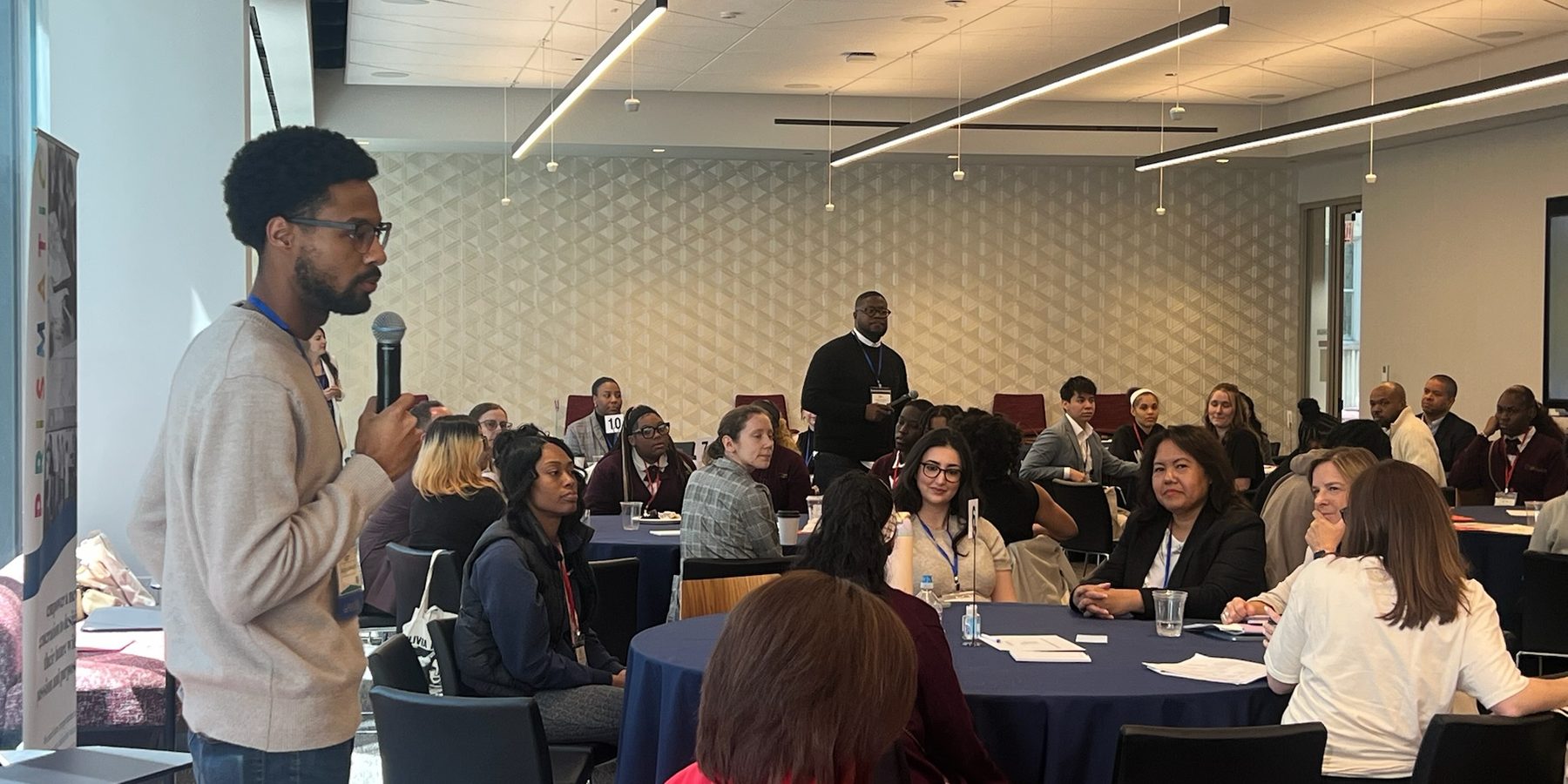
Every engagement begins with your people. We shape the session around your audience, your goals, and what your organization is navigating right now.
Keynote · Interactive
The Conditions for Success: A People-Centered Approach
What if employee engagement were less about perks and productivity and more about authentic investment?
In this interactive session, we use the BridgeWork Framework to explore how people-centered workplaces are built when employees feel seen, supported, challenged, and connected to purpose.
Participants reflect on what they bring into the workplace, personally and professionally, and how those experiences shape the way they engage with their work. Together, we examine what encourages people to invest deeply, what causes them to pull back, and what both employees and leaders can do to create better conditions for success.
Whether you are leading a team or finding your footing within one, the session offers a practical way to think about the connection between who we are, how we work, and what allows people to thrive.
Workshop
The Culture Shift Starts Within: Tackling the Hidden Barriers to Collaboration
Culture is shaped by more than policies, values statements, and leadership decisions. It is also shaped by what each of us brings into the room.
Drawing on Dr. Shirzad Chamine's research on Saboteurs, this workshop examines the automatic patterns that can influence how we respond to pressure, conflict, feedback, and one another.
Participants identify their own tendencies, consider how those patterns affect the people around them, and practice more intentional ways of responding.
The goal is not perfection. It is greater self-awareness, stronger collaboration, and a clearer understanding of how each person can become an asset to the culture they want to create.
Workshop · Half day
People-Centered Leadership: Leading Yourself, Others, and the Work
Strong leadership starts on the inside and works its way out. This half-day session moves through three connected layers: leading yourself, leading others, and leading the work.
Participants begin with The Gap Assessment, our own diagnostic, which shows each person where their distance actually sits rather than where they assume it does. From there they work on what that gap does to their presence under pressure, and one way to close it that holds up on an ordinary Tuesday.
From there the session moves outward through a hands-on simulation. Participants are sorted into three tiers, and a design created at the top is described down the chain until the bottom tier rebuilds it without ever seeing the original. What surfaces is how a vision erodes as it travels, what each level can and cannot see, and what communication has to do to hold it together.
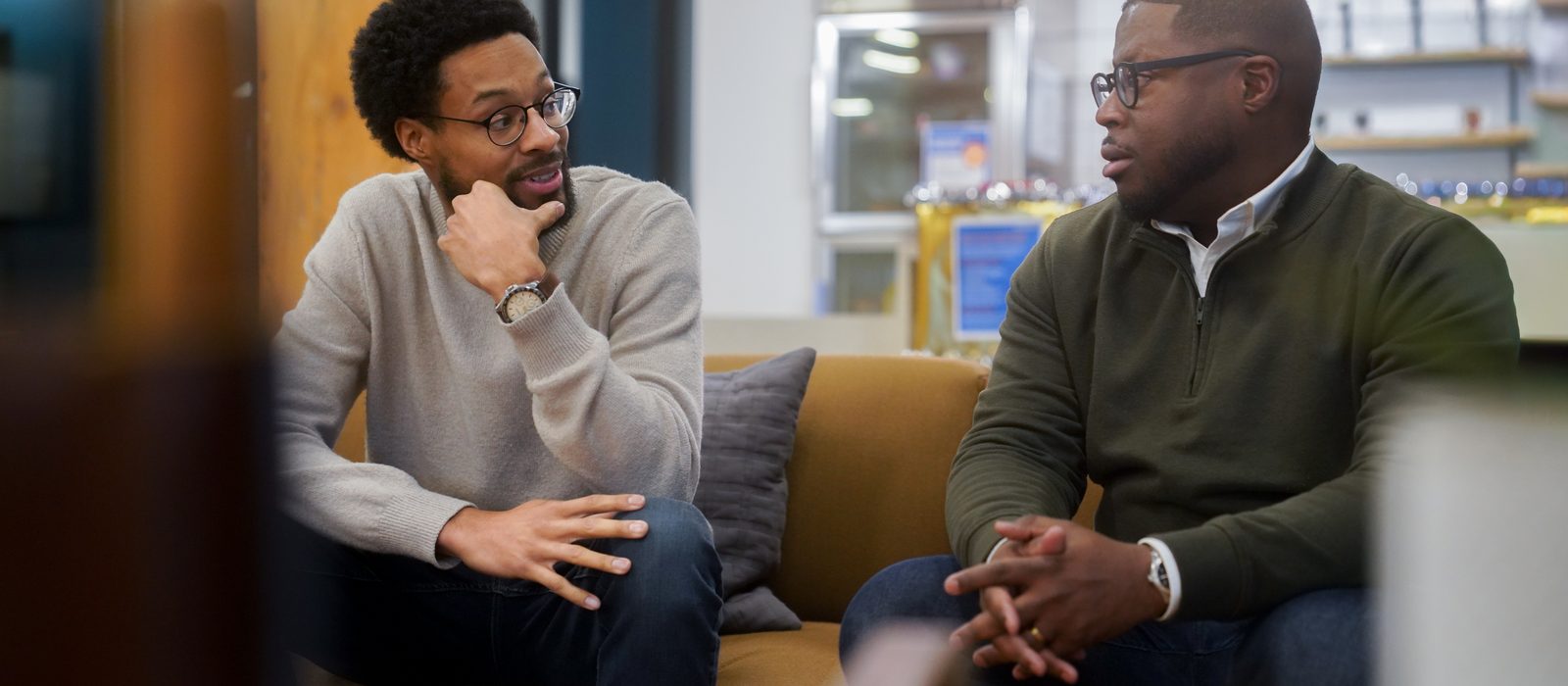
The session closes with an unfiltered conversation between Anthony and Charles about their own leadership paths, including what they got wrong and how their personal lives shaped their professional judgment. Participants leave with practices they can use in their own team the following week.